Effective Communication: How It Can Transform Your Relationships
Effective communication is a crucial skill that builds stronger relationships at work, in school, and at home. Whether with a romantic partner, a friend, or a coworker, good communication strengthens bonds and increases empathy, while poor communication can lead to misunderstandings and resentment.
In today’s fast-paced world, where we often balance hybrid work schedules and constant digital notifications, clear communication is more important than ever to bridge the gap between our digital and in-person interactions. Learning how to listen, express needs, and respond with empathy can transform the way we relate to others. Here are four
effective communication methods and examples of how to use them in everyday life.
1. Active Listening in a Digital Age
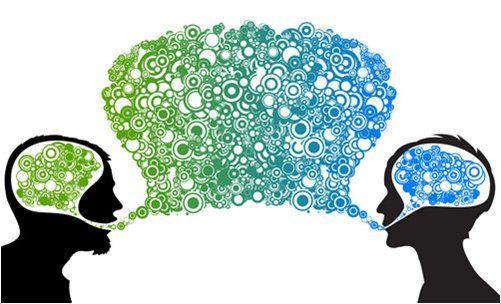
Active listening is a communication method in which the listener actively engages with the speaker by paying full attention, paraphrasing, and asking open-ended questions. This helps the listener understand the speaker's perspective and shows that the listener values what the speaker has to say.
Example: Let's say a friend confides in you that they are feeling overwhelmed with their workload. An active listener might say something like, "It sounds like you're feeling really stressed out with all of the work you have to do. Can you tell me more about what's been going on?" This response shows that the listener is paying attention and cares about the speaker's feelings.
2. Using "I" statements
"I" statements are a way of expressing one's own feelings and needs without placing blame on the other person. This can help avoid defensiveness and encourage the other person to listen and consider your perspective.
Example: let's say you and your partner had a disagreement about household chores. Instead of saying, "You never do any of the cleaning," you might say, "I feel frustrated when the house is messy and I feel like I'm doing all of the work. Can we talk about ways we can divide the chores more evenly?" This "I" statement expresses your own feelings and needs rather than attacking your partner.
3. The Power of Nonverbal communication
Nonverbal communication includes body language, facial expressions, and tone of voice. It can convey just as much, if not more, than words alone, even over a video call.
Example: let's say you are having a conversation with a coworker and they are crossing their arms and avoiding eye contact. This nonverbal communication may indicate that the coworker is closed off or uninterested in the conversation. In this case, it might be helpful to ask if everything is okay or if there is anything you can do to make the conversation more productive.
4. Practicing Empathy
Empathy is the ability to understand and share the feelings of another person. It involves putting oneself in the other person's shoes and trying to see things from their perspective. Empathy can help build trust and improve communication in relationships.
Example: let's say a colleague tells you that they are feeling stressed about a project deadline. An empathetic response might be, "I can imagine how stressful that must be for you. Is there anything I can do to help or support you?" This response shows that you understand and care about your colleague's feelings.
Effective Communication FAQs
Why do my text messages always seem to get misinterpreted?
Without the benefit of nonverbal cues like tone of voice or facial expressions, digital communication is easily misunderstood. In 2026, we recommend a "clarity over brevity" approach, take the extra ten seconds to add context or an emoji to ensure your intent matches your impact.
How can I communicate better while working a hybrid schedule in Albuquerque?
Hybrid work often leads to "digital loneliness." Make an effort to have at least one "high-bandwidth" conversation (phone or in-person) per day rather than relying solely on chat apps. Being intentional about your communication helps maintain the "culture glue" that keeps relationships strong.
When is it time to seek communication therapy?
If you find yourself stuck in the same "loop" of arguments, feeling unheard, or avoiding difficult conversations altogether, professional support can help. A therapist can provide a neutral space to practice these skills and help you break old patterns.
Conclusion
In conclusion, effective communication is an important skill in any relationship. By using active listening, "I" statements, nonverbal communication, and empathy, we can improve understanding, resolve conflicts, and strengthen our bonds with others. At Sandia Therapy and Wellness Center in Albuquerque, our counselors help clients develop these skills to improve relationships at work, school, and home.
Ready to take the next step toward healing with Sandia Therapy and Wellness Center?
Click below to make an appointment with one of our therapists in Albuquerque, NM.